Saturday, 20 May 2017

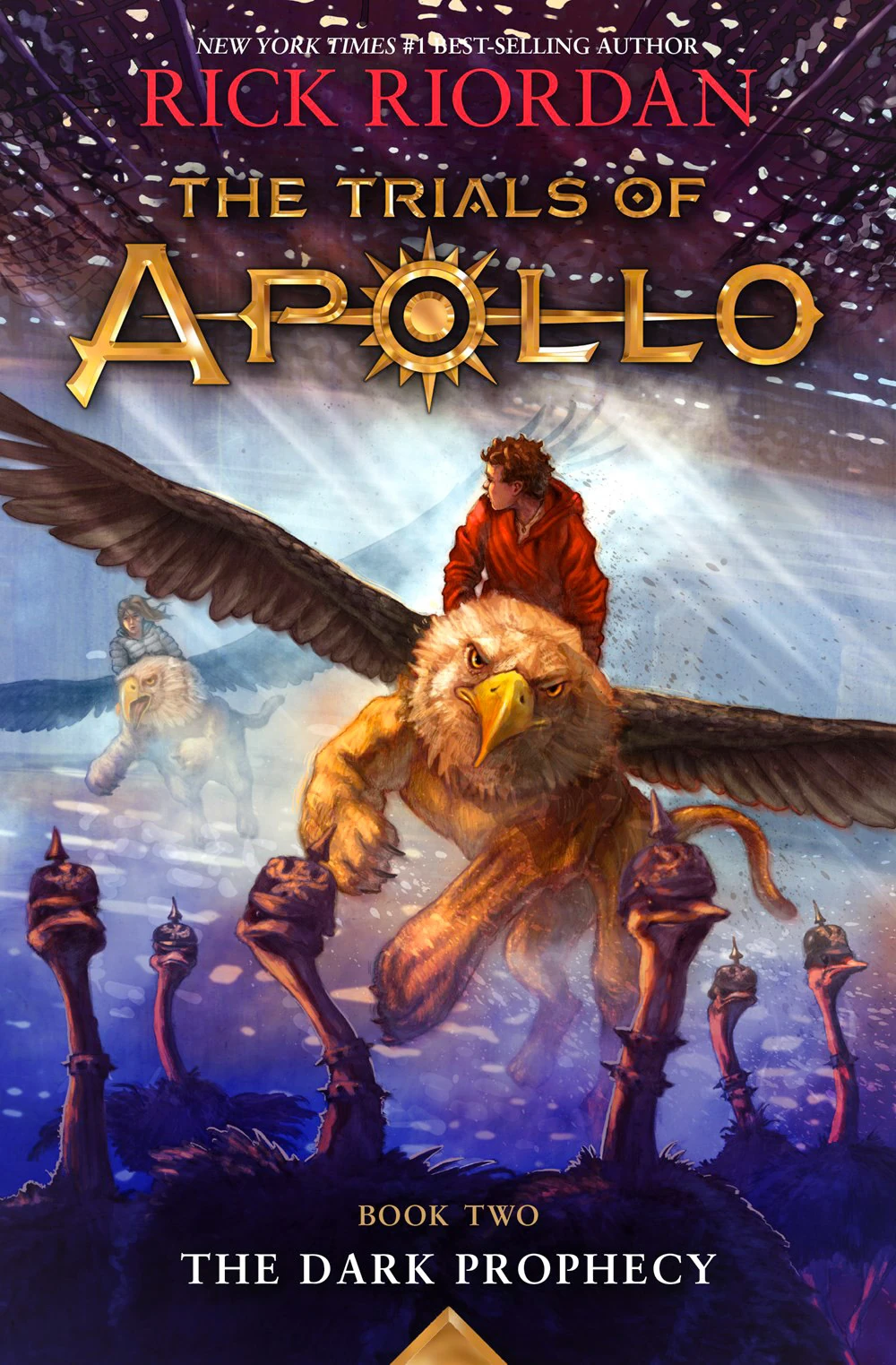
Rick Riordan: The Dark Prophecy (2017)

    After experiencing a series of dangerous—and frankly, humiliating—trials at Camp Half-Blood, Apollo must now leave the relative safety of the demigod training ground and embark on a hair-raising journey across North America (Goodreads).

     While definitely not the worst Riordan novel, this second installment to the Trials of Apollo series is definitely not one of the best. The author brings us, yet again, another run-of-the-mill plot, and entertaining though it may be, it is getting strikingly less enjoyable every time Riordan adds new myths and monsters. Even with the new characters, conflict progression is rather repetitive. Finally, however, readers are given, not a teenage angst narration, but a unique voice in the mortality-stricken Apollo. His narration really develops nicely in this sequel, after being introduced well previously. Apollo's internal conflict with his past crimes is also brilliantly woven into the story, along with some great new antagonists. In other Riordan news: the Hunters of Artemis remain a convenient army and Leo is not nearly as awesome anymore. 6.6/10

Tuesday, 28 March 2017

Eoin Colfer: The Forever Man (2015)

    Pulled two centuries into the past, Chevie and Riley find themselves in the village of Mandrake. Under siege from prowling monsters that have escaped from the wormhole, the village's only protector is the sinister Witchfinder - a man with a hidden past and deadly powers (Goodreads).

    While it both starts and ends poorly, the conclusion to the time travelling FBI series has a scrumptious middle section. Writers, when adding new characters into a universe, often fail miserably, however Colfer has succeeded excellently, as both Isles and Pointer are entertaining and dynamic new additions to the trilogy (Pointer's departure especially adds a great emotional element). Readers are once again given a brilliantly mad villain in Garrick, and Riley's bold protagonist character once again fulfills expectations. A surprisingly excellent supporting character in Woulfe brings the story to new levels, although some ridiculous plot points (some which are much too convenient), an abrupt ending and a somewhat forced romance spoil what might have been a great ending to a good trilogy. 6.8/10

Friday, 10 February 2017

Patrick Ness: A Monster Calls (2011)

    At seven minutes past midnight, thirteen-year-old Conor wakes to find a monster outside his bedroom window. But it isn't the monster Conor's been expecting-- he's been expecting the one from his nightmare, the nightmare he's had nearly every night since his mother started her treatments. The monster in his backyard is different. It's ancient. And wild. And it wants something from Conor. Something terrible and dangerous. It wants the truth (Goodreads).

    Justifiably winning both the Carnegie and the Kate Greenway medal, A Monster calls combines incredible writing and brilliant illustrations to create an incredibly emotional tale. Filled with bits of dark humor, and also including an excellent lead character, this novel is an instant classic. The monster is also well developed, although the rest of the supporting cast could use a little work. The internal stories are particularly masterful, and offer an excellent view on the main story itself. A heart-wrenching ending leaves the reader satisfied after a wonderful overall plotline. 8.6/10

Tuesday, 7 February 2017

Michael Crichton: Jurassic Park (1991)

    A billionaire has created a technique to clone dinosaurs. From the DNA that his crack team of scientists extract, he is able to grow the dinosaurs in his laboratories and lock them away on an island behind electric fences, creating a sort of theme park. He asks a group of scientists from several different fields to come and view the park, but something goes terribly wrong when a worker on the island turns traitor and shuts down the power (Goodreads).

    Although it is extremely entertaining and thrilling at times, Crichton's novel, "Jurassic Park," gets bogged down routinely by overly long speeches, dull science, and difficult to understand statistics and graphs, and honestly, we don't need the computer screen to be written on the page. A good cast of lead characters are followed up by a supporting cast that tries much too hard, with an extensive backstory for each one, most of these backstories being unnecessary. A somewhat pointless beginning leads to quite a good plot, but the story wraps up much too quickly, and leaves several loose ends and plot holes not dealt with. 6.7/10

Friday, 27 January 2017

Hiroshi Sakurazaka: All You Need is Kill (2004)

    When the alien Mimics invade, Keiji Kiriya is just one of many recruits shoved into a suit of battle armor called a Jacket and sent out to kill. Keiji dies on the battlefield, only to be reborn each morning to fight and die again and again (Goodreads).

    Hiroshi Sakurazaka's novel, All You Need is Kill, is definitely not your typical, run-of-the-mill war novel, with an engaging protagonist backstory and surprisingly thoughtful narration, but it lacks much in character development and overall plot itself. The dialogue is also bland, with a few too many profanities and not nearly enough actual engaging quotes, but certain scenes are truly emotionally masterful, and symbolism throughout the story is well done. With a confusing ending and weak characters throughout, this book is just barely above average. 6.6/10

Thursday, 26 January 2017

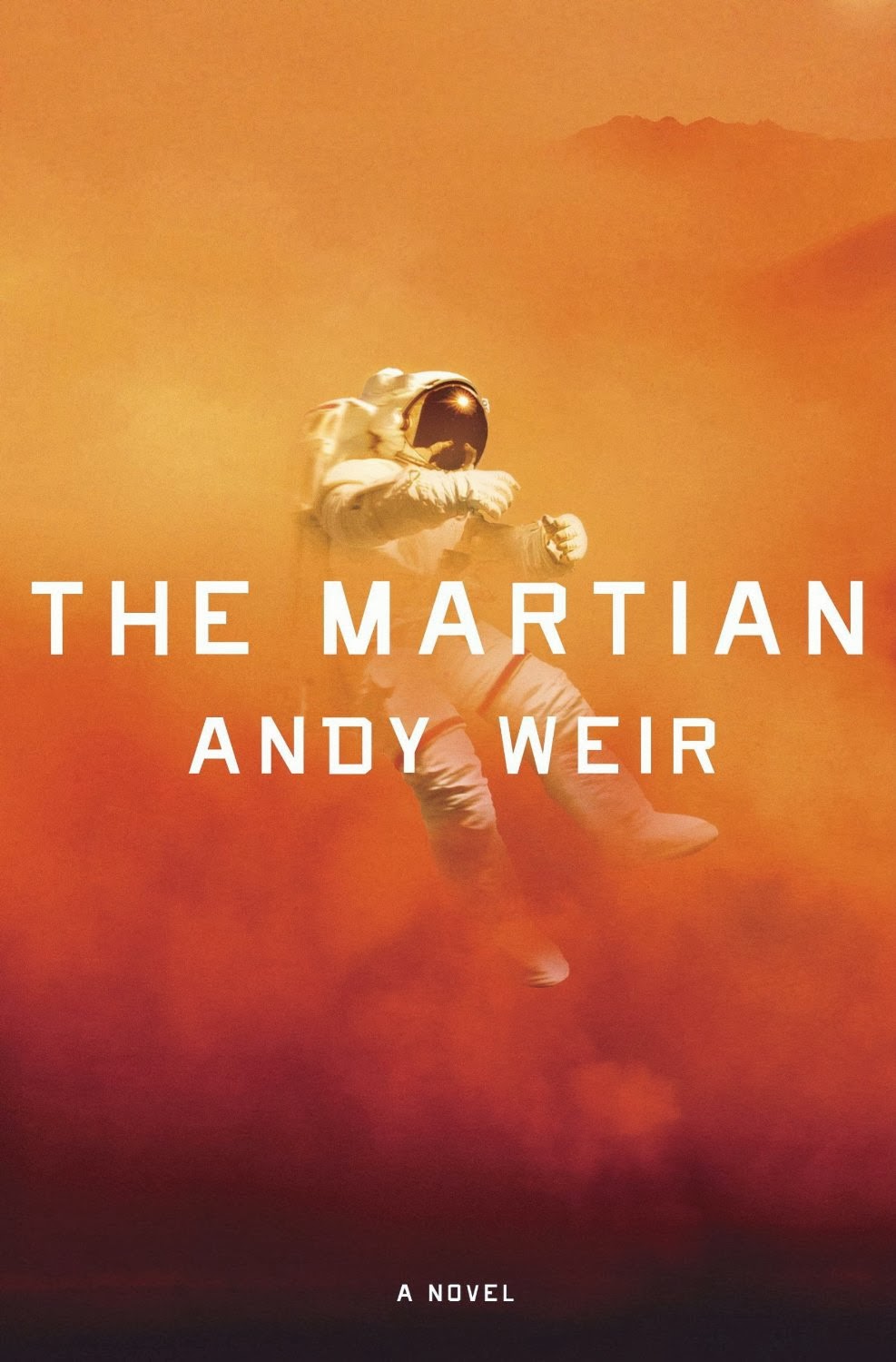
Andy Weir: The Martian (2011)

    After a dust storm nearly kills him and forces his crew to evacuate the planet while thinking him dead, Mark finds himself stranded on Mars' surface, completely alone, with no way to signal Earth that he’s alive (Goodreads).

     Andy Weir's The Martian has to be one of the most well-researched science fiction novels of all time. Weir combines intriguing science with an extremely entertaining plot that, while seeming tedious at times, still adds to the suspense. Even back on Earth, readers are given interesting characters that they can't help but root for. Eventually, Watney's science jargon becomes boring, but readers are still excited as to what he is about to do, because with that much science involved, it's gonna be great! And it definitely is. A great cast of characters and a thrilling plot make this one a real page turner. 8.5/10

Tuesday, 24 January 2017

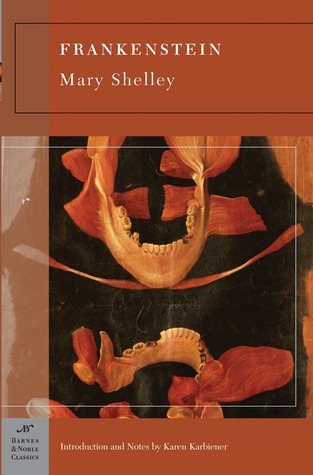
Mary Shelley: Frankenstein (1818)

    Obsessed with discovering the cause of generation and life and bestowing animation upon lifeless matter, Frankenstein assembles a human being from stolen body parts but upon bringing it to life, he recoils in horror at the creatures hideousness. Tormented by isolation and loneliness, the once-innocent creature turns to evil and unleashes a campaign of murderous revenge against his creator, Frankenstein (Goodreads).

    Although extremely wordy, Mary Shelley's Frankentstein is definitely well-written, showcasing an incredible level of poetic narration and diction. This diction, however, is quite overused and distracts the reader from the otherwise engaging plot. Character dynamics could also be improved upon, except in the case of Frankenstein's creation, who is extremely well developed. An emotional ending to fill out an otherwise pointless frame story adds to the depth of the overall story. 6.6/10